



Advanced FUE Hair
Transplant Treatment in London

Restore natural-looking fullness with a precise, minimally invasive FUE treatment that requires no strip surgery and offers a shorter recovery.

Starting From £2,800

What Is a FUE Hair Transplant?

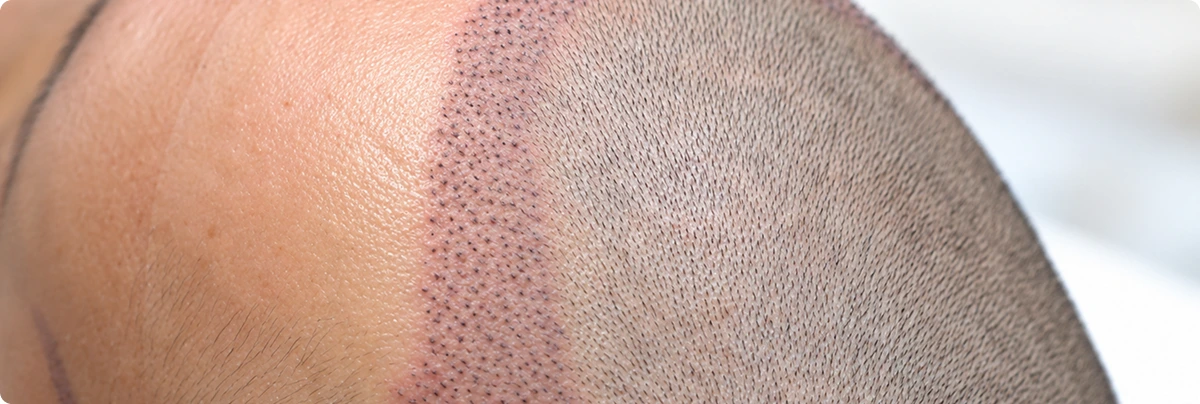
FUE stands for Follicular Unit Excision. Individual hair follicles are carefully taken from a suitable donor area and placed into areas affected by hair loss. Unlike FUT surgery no strip of scalp is removed. FUE leaves small circular extraction points that usually become less noticeable as the donor area heals.

Is FUE Right For Your Hair Loss?

FUE may be suitable if your hair loss follows a certain balding pattern and you have enough healthy donor hair to support the coverage you would like.

You may be a suitable candidate if:

  • You have a receding hairline, thinning temples or crown hair loss
  • Your hair loss is stable or its likely progression can be assessed
  • You have sufficient healthy hair at the back or sides of your scalp
  • You are in suitable general health for a surgical procedure

Not all forms of hair loss can be treated with a transplant. During your consultation, your doctor will assess your scalp, donor hair and likely pattern of future hair loss before recommending the most appropriate option.

An Overview of the FUE Hair
Transplant Process

Your treatment follows a carefully planned process, beginning with a personal assessment and continuing through the procedure, recovery and follow-up care. Here is what you can expect at each stage.

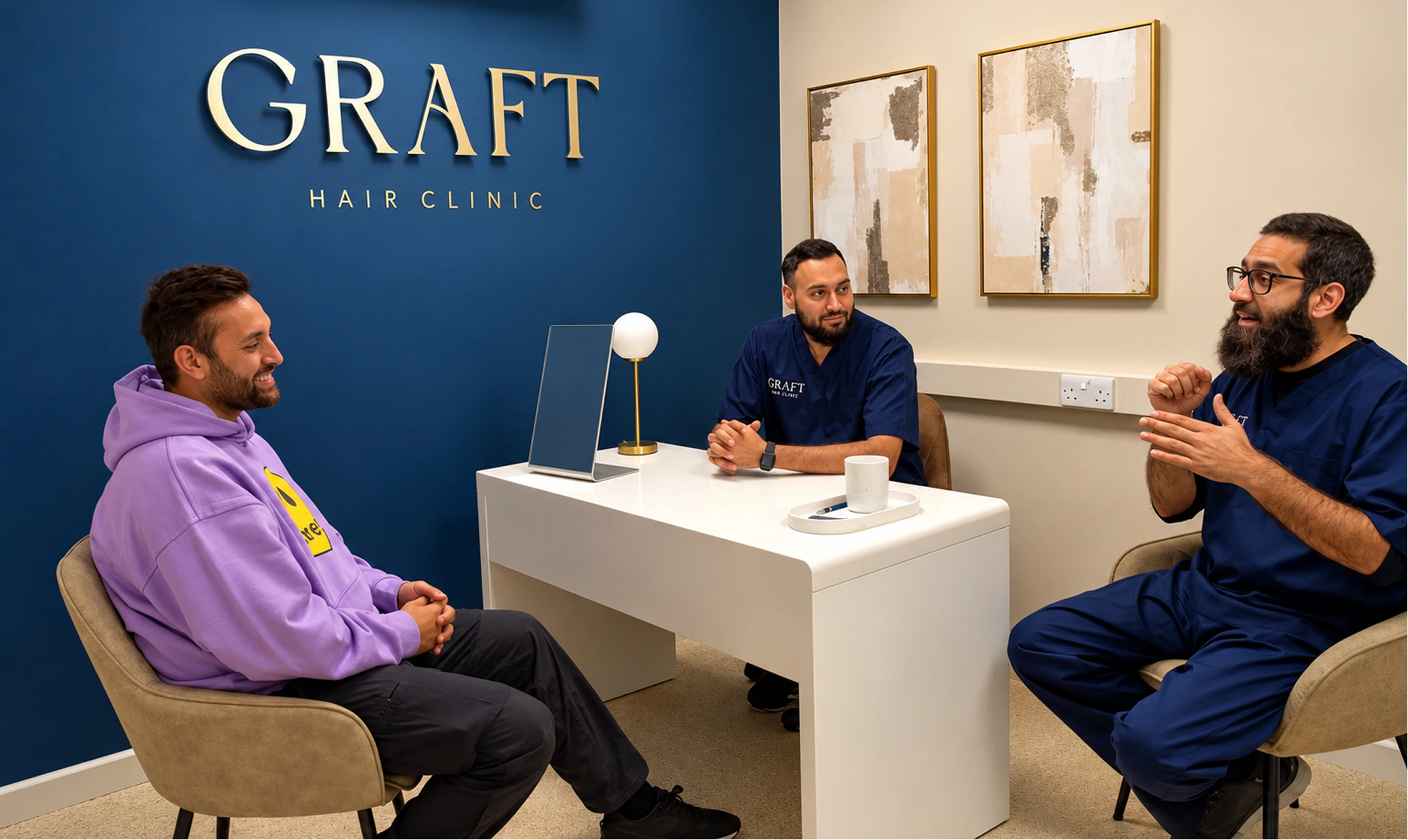
  1. Consultation and Assessment

    Your surgeon will assess your hair loss, donor area and suitability for treatment.

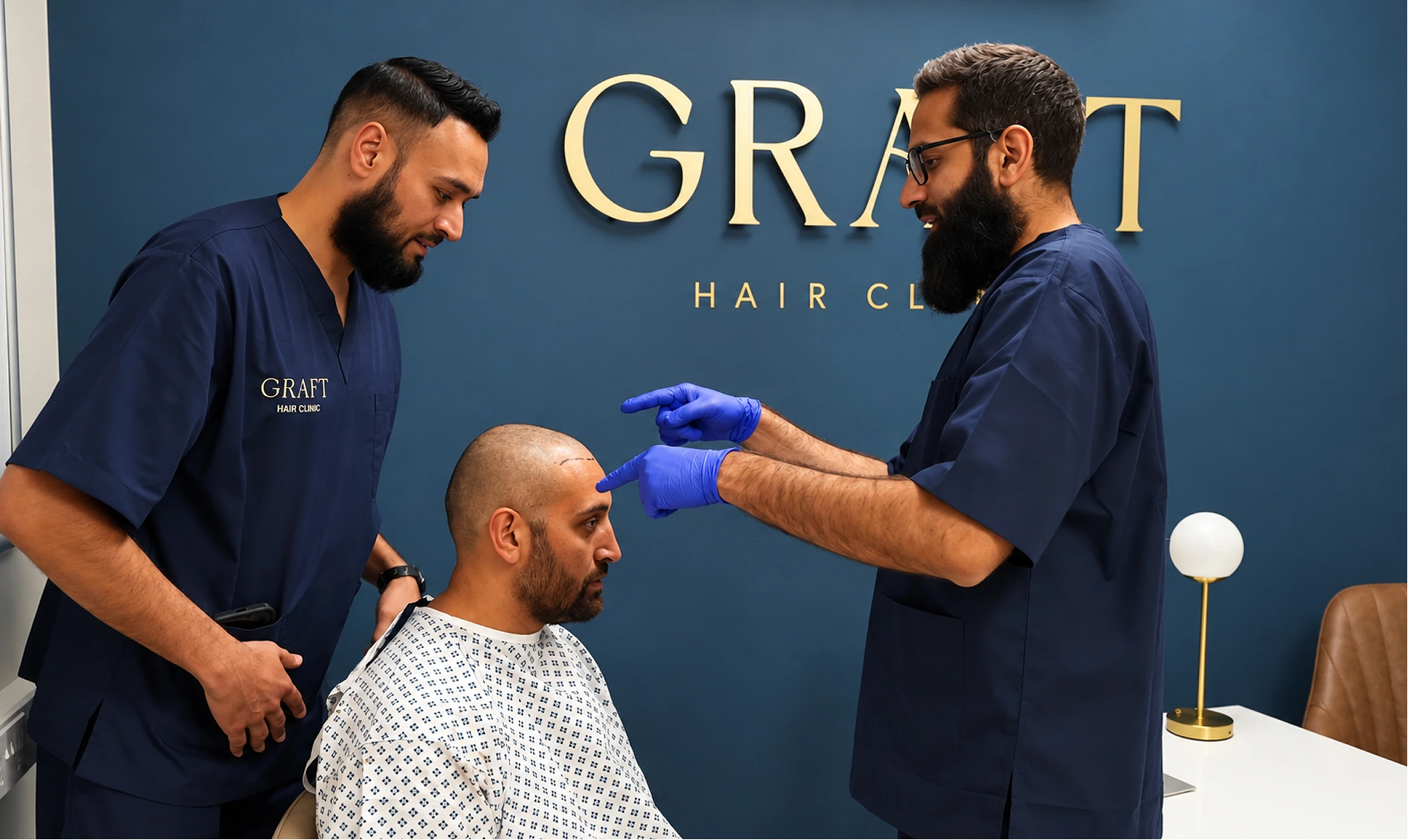
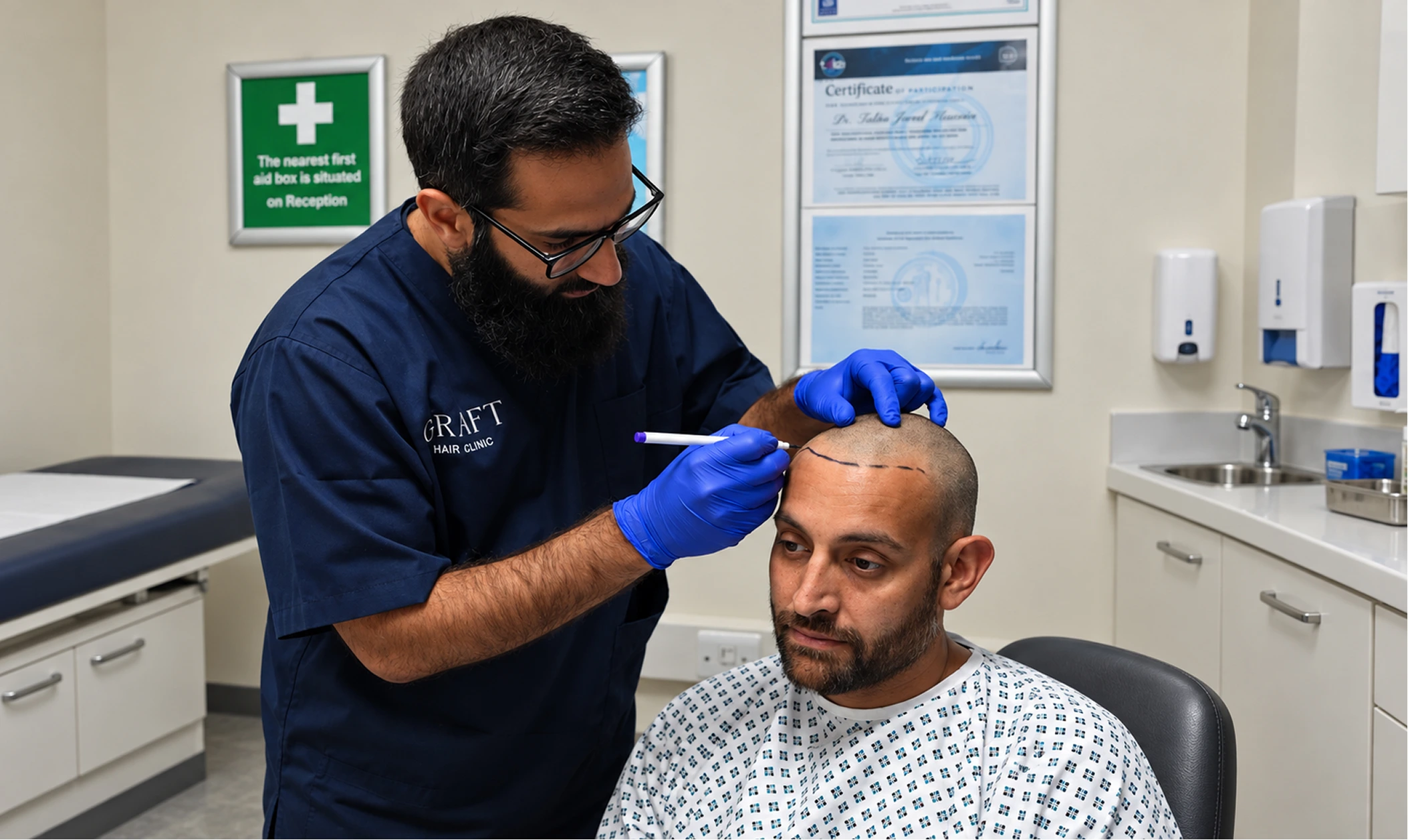
  2. Hairline and Graft Planning

    Your hairline, treatment area and estimated graft requirements will be carefully planned.

  3. Preparing the Donor Area

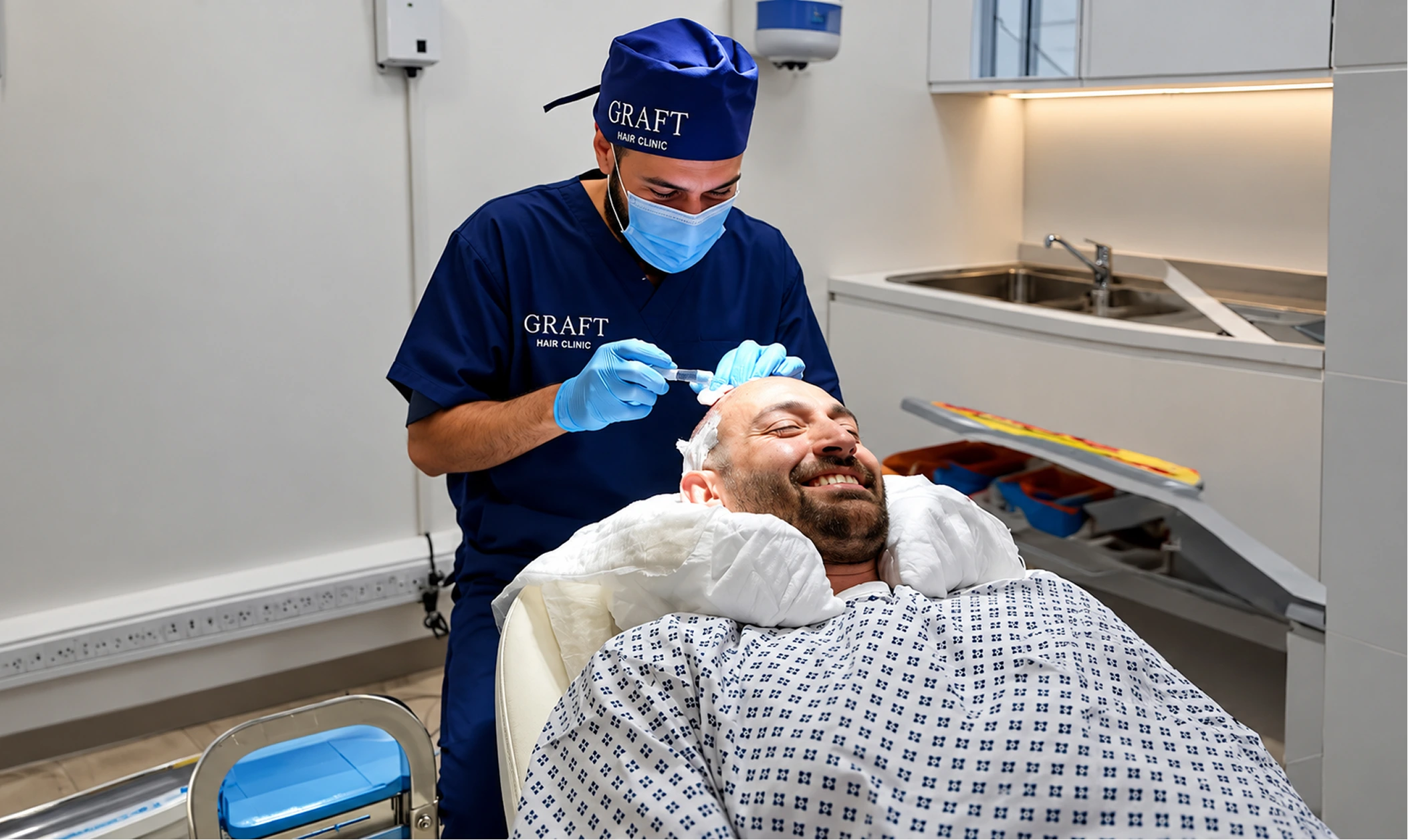
    The donor area is prepared and local anaesthetic is administered.

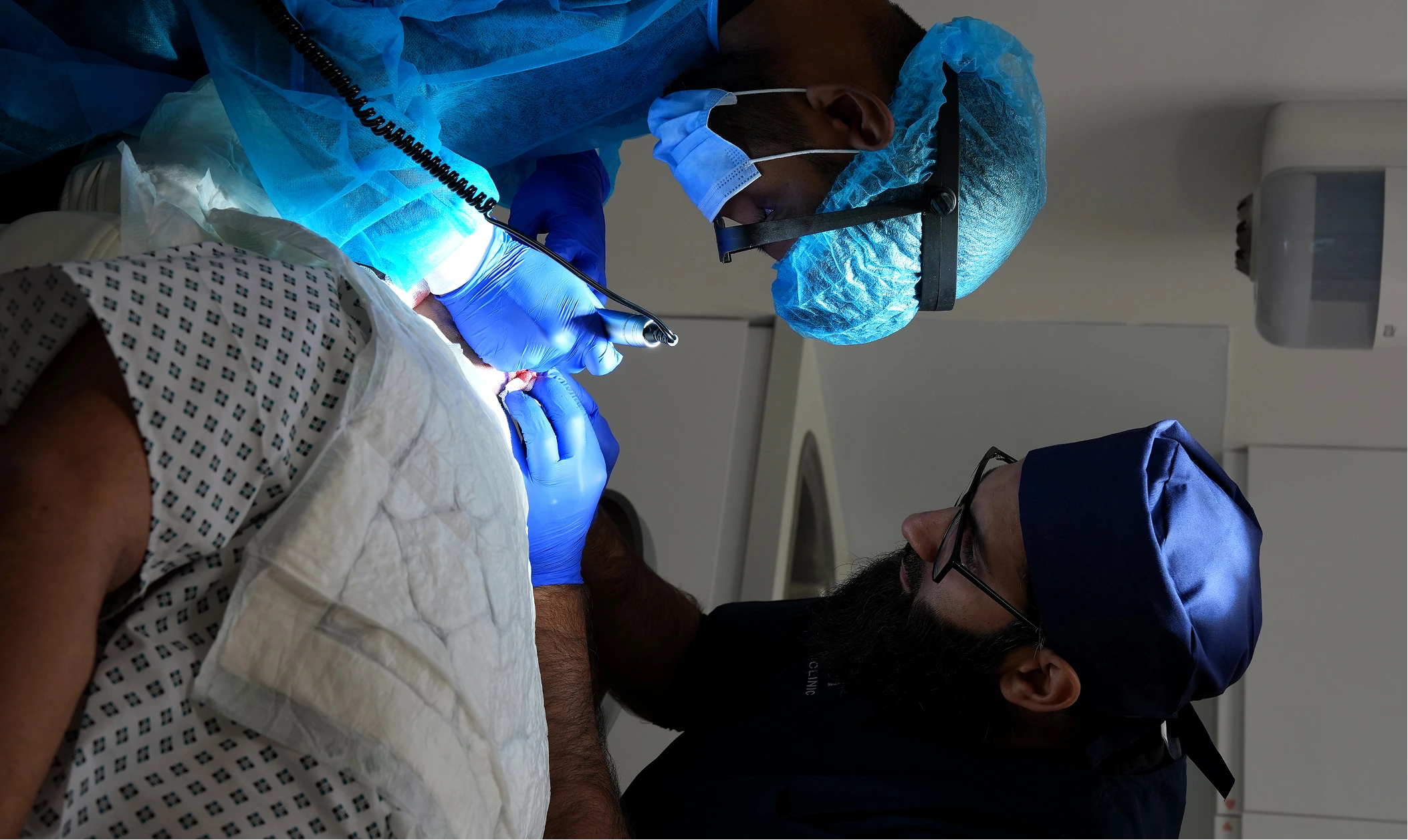
  4. Extracting the Grafts

    Individual follicular units are carefully removed using a specialised instrument.

  5. Placing the Grafts

    The grafts are placed at carefully planned angles and directions within the treatment area.

  6. Aftercare Treatment Kit

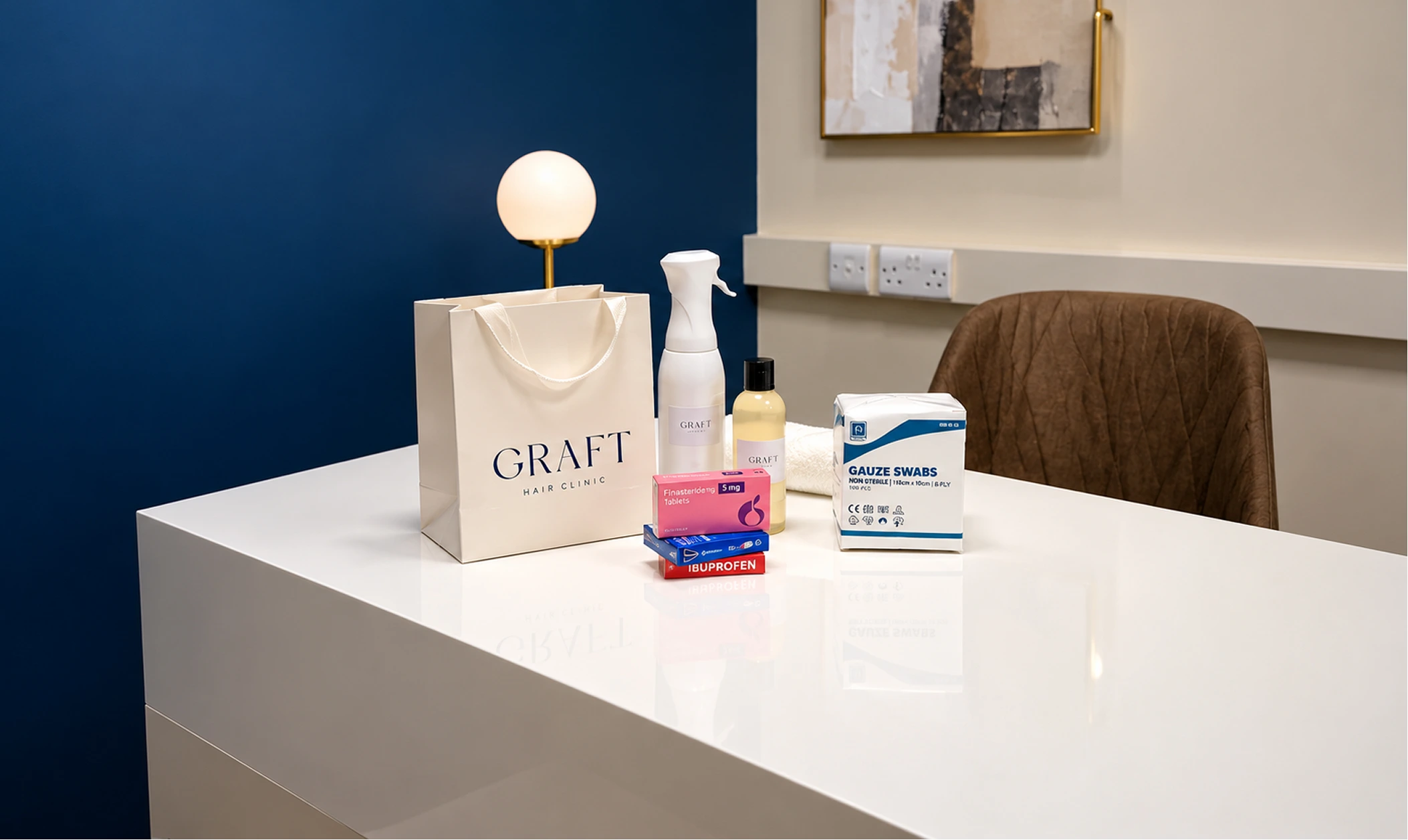
    You will receive an aftercare treatment kit and guidance on caring for your scalp at home.

Meet the Surgeons Behind Your Care

The person planning your treatment matters. Your surgeon will assess your donor hair, consider the future pattern of your hair loss and explain what may realistically be achieved.

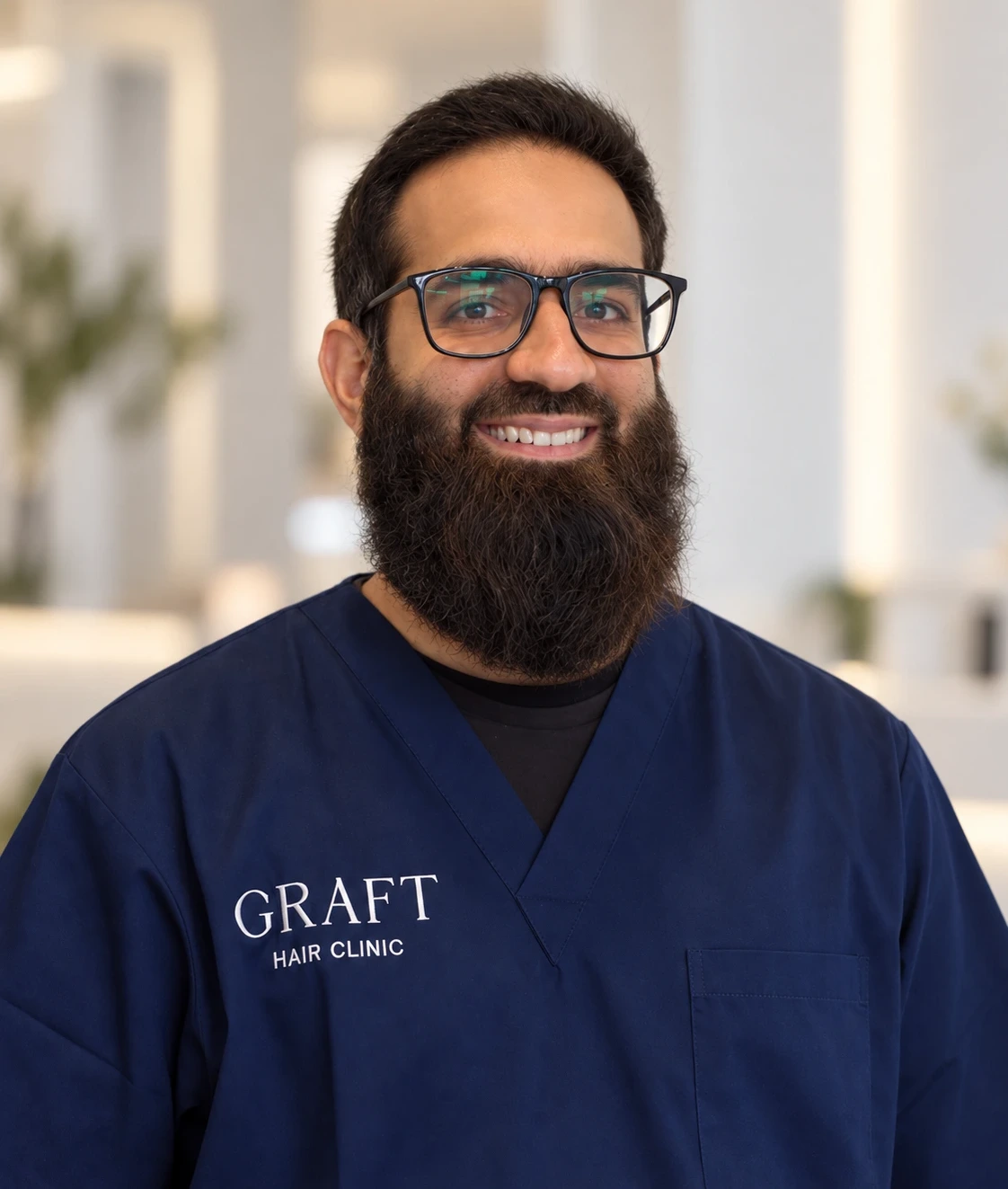
  • Dr Salim

    Dr Salim

    Dr Salim graduated from St George’s Medical School in 2007 and completed his postgraduate medical training in South London.

    GMC Number6155940

    View profile
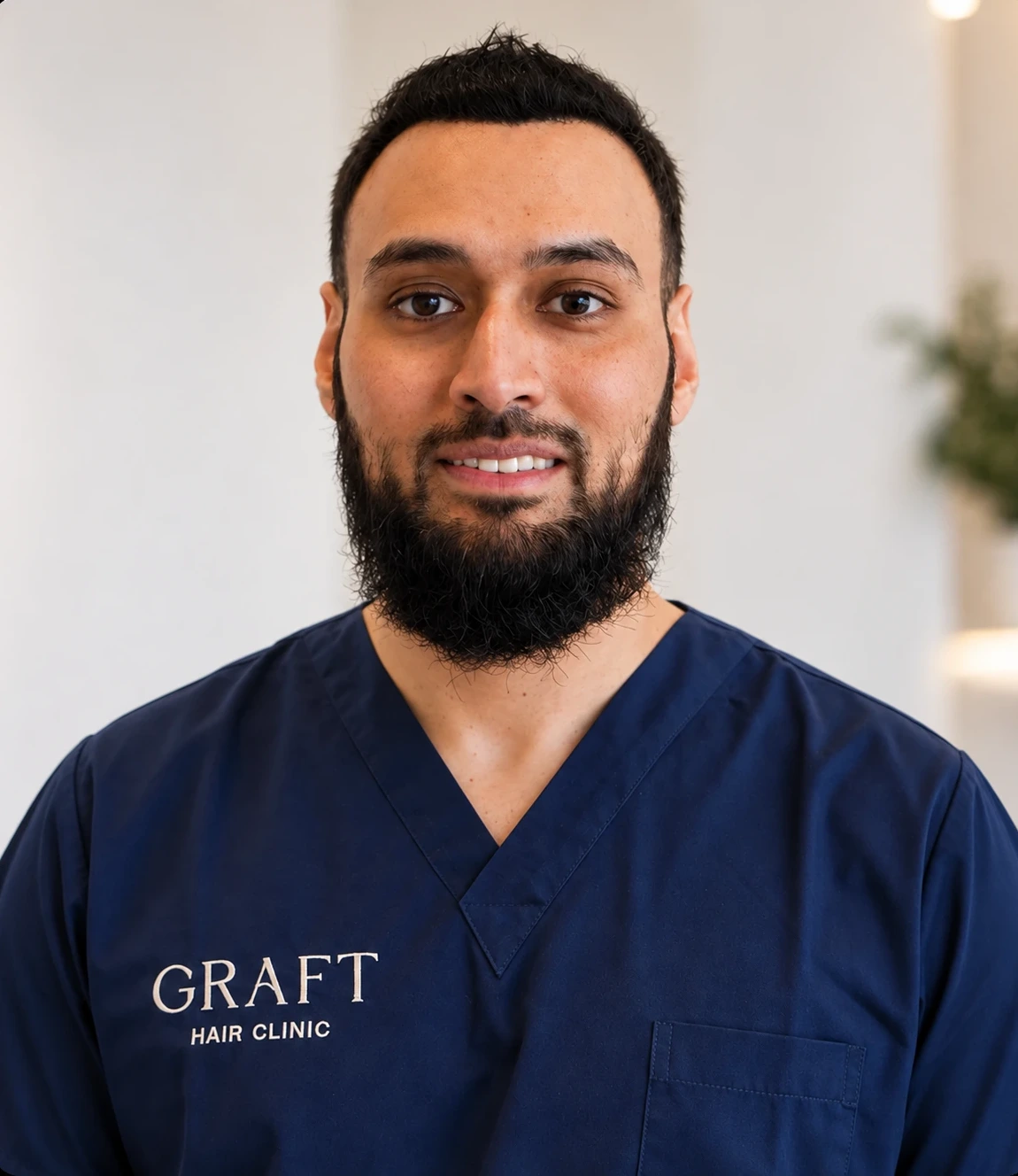
  • Dr Muhammad

    Dr Muhammad

    Dr Muhammad graduated in 2013 and completed postgraduate training at Royal Brompton Hospital and leading London teaching hospitals.

    GMC Number7450555

    View profile

Hair Transplant Results From Our Patients

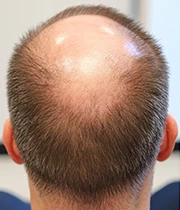
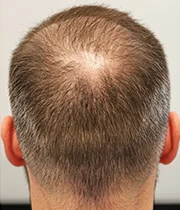
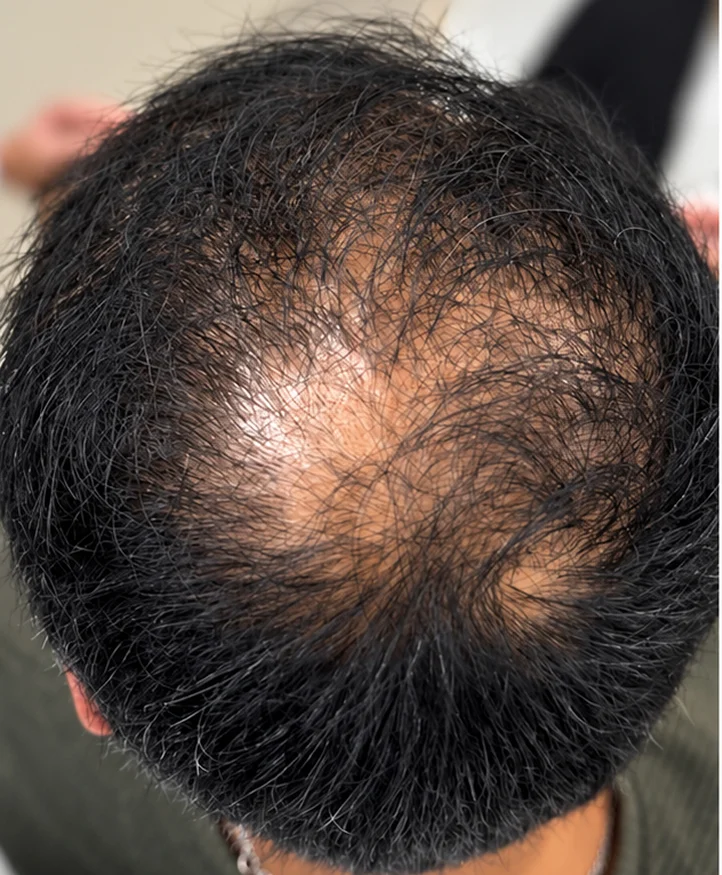
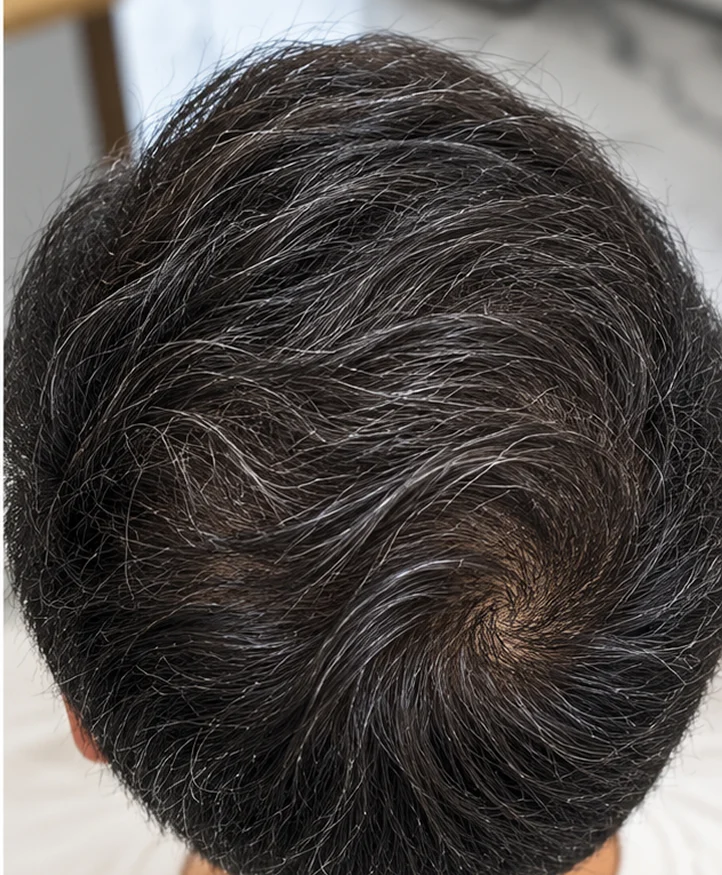
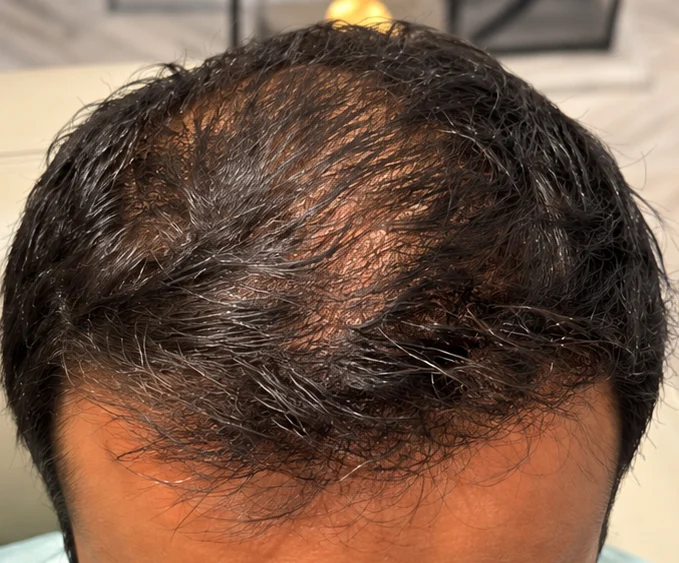
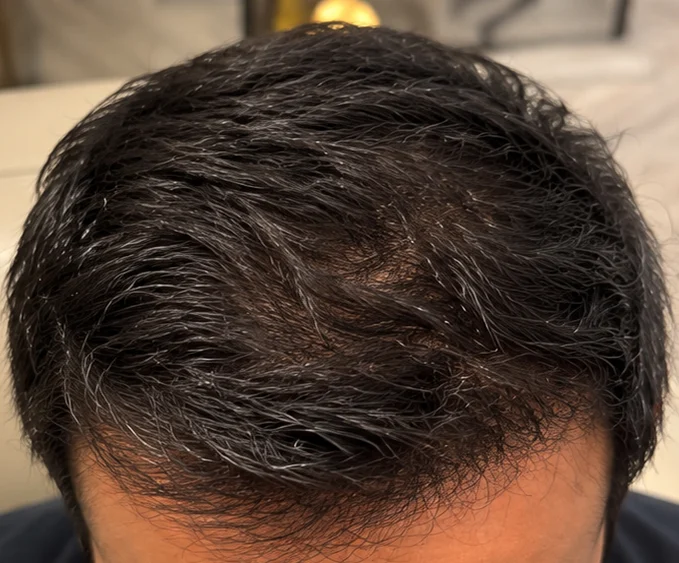
Explore genuine before-and-after results from patients with different patterns of hair loss. Each case should show the treatment area graft count and time since the procedure so you can understand how results develop.

  • Before –
    Before
    After –
    After

    Sapphire FUEResult at 10 Months

    Age 48

    2600 Grafts
  • Before –
    Before
    After –
    After

    Sapphire FUEResult at 10 Months

    Age 41

    2000 grafts
  • Before –
    Before
    After –
    After

    Sapphire FUEResult at 09 Months

    Age 37

    2100 grafts

Post-Treatment Recovery and
Growth Timeline

Hair transplant results develop gradually. Your surgeon will provide instructions based on your procedure and review your progress during recovery.

  1. 1

    Immediately After Treatment

    Mild redness, tenderness, swelling or pinpoint bleeding may occur around the injection sites.

  2. 2

    The First Two Weeks

    Some redness, swelling tightness and scabbing can be expected. The newly placed grafts must be treated carefully while the scalp begins to heal.

  3. 3

    The First Few Months

    The transplanted hairs will often shed during the first few weeks. This is a normal part of the process and does not necessarily mean the treatment has not worked.

  4. 4

    Six Months Onwards

    New growth gradually becomes more visible. Your surgeon will review your progress and explain when the final result can be assessed.

  5. 5

    Twelve Months and Beyond

    Most of the growth has usually come through, although hair can continue to thicken and mature. Your final result is reviewed with your surgeon.

Clear pricing. Personal to you.

FUE Hair Transplant Pricing

From £2,800

Your FUE hair transplant starts from £2,800. The final cost depends on the area being treated, the condition of your donor hair and the number of grafts required.

Your personal quotation will clearly explain the recommended treatment and what is included before you make a decision.

View Full Pricing

Your Treatment May Include

  • Surgeon consultations
  • Personal hairline planning
  • Your FUE procedure
  • PRP hair treatment where recommended
  • Recovery and aftercare guidance
  • Follow-up appointments

Find Out Whether FUE Is Right for You

Your consultation is an opportunity to have your hair loss and donor area assessed by a surgeon. You will receive clear guidance on the grafts you may need, the result that may be achievable for your recovery and the complete cost of treatment.

There is no need to make a decision until you understand your options.

Frequently Asked Questions

Is FUE suitable for everyone?

No. Suitability depends on your pattern of hair loss, your donor hair and your general health. Your doctor will assess this at your consultation.

How many grafts will I need?

It depends on the area being treated and your donor hair. Your surgeon will recommend a graft count after assessing your scalp.

Does an FUE hair transplant hurt?

Local anaesthetic is used to help manage discomfort during the procedure. Your doctor will explain what to expect beforehand.

Does FUE leave scars?

FUE leaves small circular extraction points rather than a linear scar. These usually become less noticeable as the donor area heals.

When will I see new hair growth?

Results develop gradually over several months. Your surgeon will review your progress during recovery.

Will the result last?

Transplanted hair is taken from areas that are usually less affected by hair loss, but your existing hair may continue to change. Your doctor will discuss this with you.

Are there risks?

As with any procedure, there are risks. Your surgeon will explain them and how they are managed before you decide to go ahead.

Can PRP support my treatment?

PRP may be recommended alongside a hair transplant to support existing hair. Your doctor will advise whether it is suitable for you.